
The Grand Budapest Hotel
A spectacle wrapped in a spectacle
There is a single film standing upon my Mount Rushmore. It is a meticulously crafted masterpiece. Once a year, normally when winter cold has enveloped London upon a quiet Sunday evening, I brew a hot chocolate, put some logs on the fire, and treat myself to a magnificent spectacle.
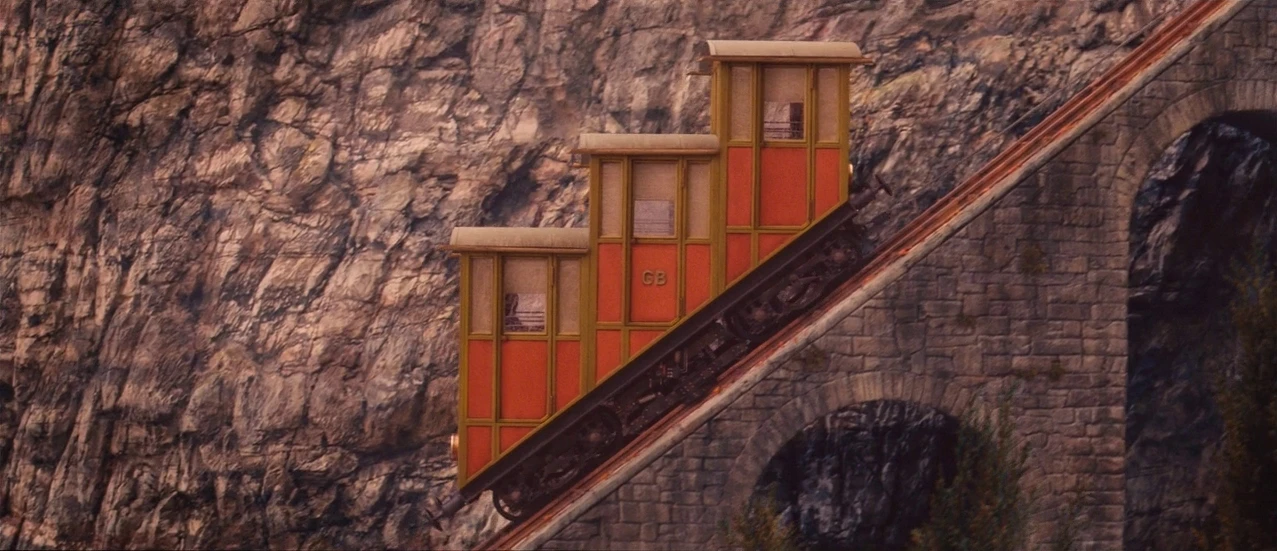
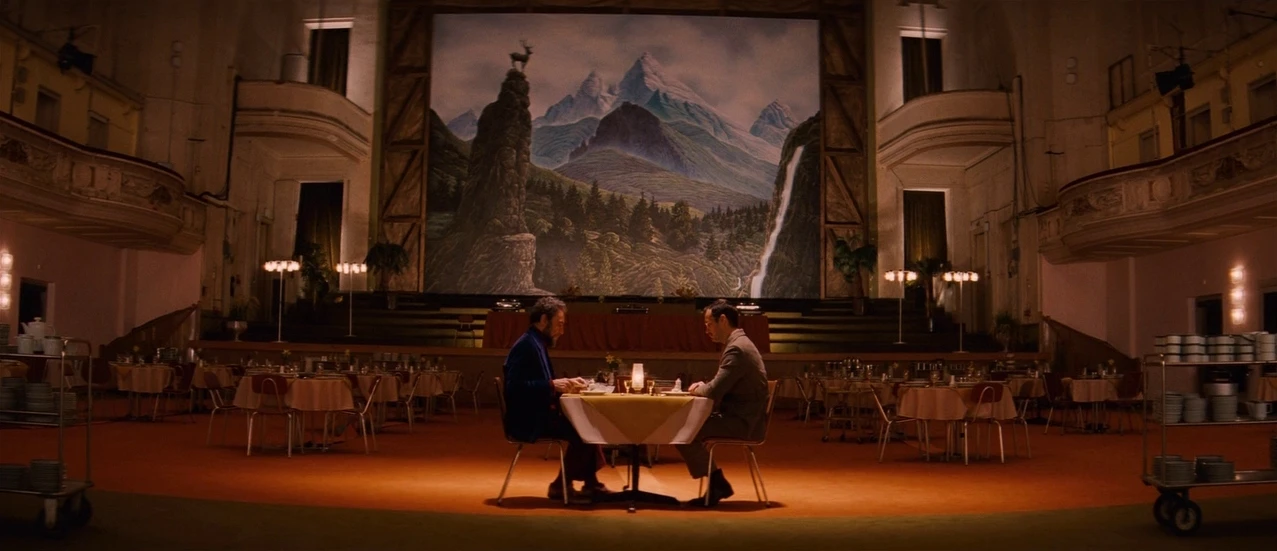
The first thing that hits you is how unmistakably Wes Anderson it is. The pastel palette, beautifully framed symmetry, planimetric composition (perpendicular camera work), and delightfully sparing animations. Freeze at any point and each frame feels like it could sit comfortably on the wall of an American diner. It catches the eye and draws you into the wonderful, Willy Wonka-like world. You can see why, unsurprisingly, it received Academy Award nominations for Best Picture, Director, and Cinematography.
Once you have caught up with the vibrant backdrop, you are then enthralled by the stellar acting performances. Ralph Fiennes delivers the greatest performance of his life. He switches effortlessly between courtly concierge, foul-mouthed thug and weary romantic. Witty, dry, charming, pithy, and camp all at once - the world of the film orbits him. He's a man obsessed with control and standards in a world that is visibly falling apart, and that tension is where most of the comedy and sadness live.
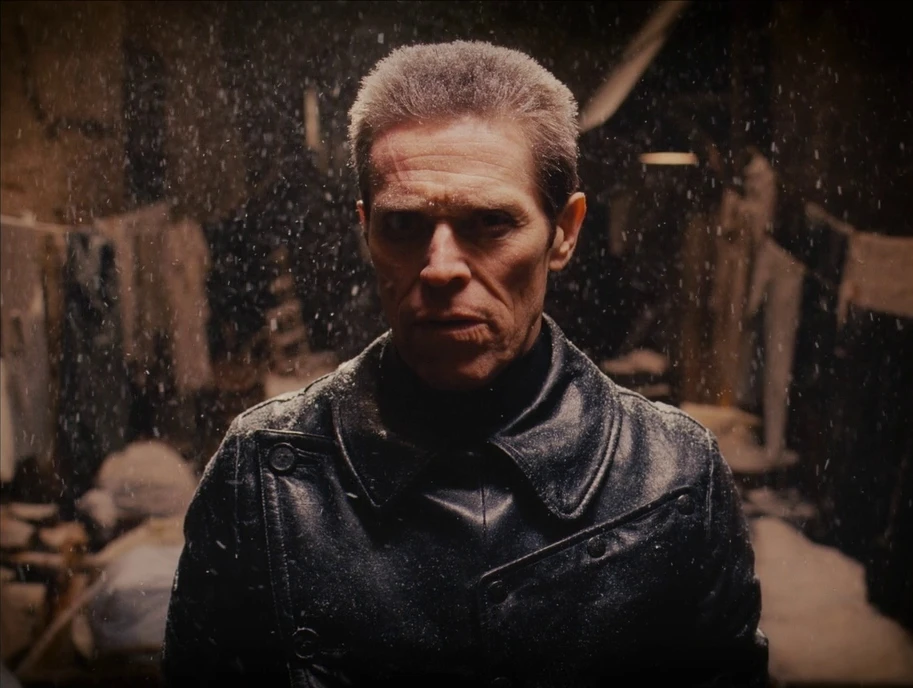
Around him, the world is full of grotesques and straight men: a silent, almost cartoonish enforcer, a nervy, fastidious lawyer, a powdered, half-mummified grand dame. They're only on screen for moments at a time, but each one adds a different flavour of menace or preposterousness. The mix of genuine threat and deadpan absurdity is what gives the film its charm - it never stops being funny, but there's always a faint sense that something very real and very nasty is pushing in at the edges.
Underneath all the noise there's the structure, which is doing far more than it first appears. The story is told in layers: a girl reading a book; the author in late life; the same man as a younger writer visiting the hotel; Zero in old age telling his story; Zero as a lobby boy in the 1930s. The aspect ratio quietly shifts with each layer. It's a simple trick, but it keeps reminding you that this is a story being remembered, not an immediate present. Everything is already gone when you arrive.
The joke, of course, is that all this fussing and charm is happening on the edge of something sinister. The pastel republic of Zubrowka is being swallowed by a fascist takeover: insignias change on the soldiers uniforms, trains start being boarded, border checks turn from mild inconvenience into real threat, and the hotel itself is gradually requisitioned. The film never turns into a serious drama, but that pressure lurks in the background, which makes Gustave's obsession with perfume, poetry and table manners feel less like a quirk and more like a last act of resistance.
Every time I rewatch it I notice something new: a background gag, a line delivery, a prop I'd missed. But the core stays the same. For two hours I get to visit a world that knows it's disappearing, following a man who is determined to behave beautifully while everything around him decays. It's hard to think of another film that looks this good, moves this fast, and still leaves you with that particular, quiet sadness when the credits roll.